Determining the Value of Rare Antique Books: A Guide to Rare Book Valuation
- Jennifer Kutsick
- Mar 9
- 4 min read

There is something truly magical about holding a rare antique book in your hands. The smell of aged paper, the delicate texture of the cover, and the stories not only within the pages but also behind the book itself. Over the years, I have found myself fascinated by the world of rare books, not just for their content but for their history and the value they carry. If you’ve ever wondered how to determine the value of these timeless treasures, you’re in the right place. Let’s explore the art and science of rare book valuation together.
Understanding Rare Book Valuation: What Makes a Book Valuable?
When it comes to rare book valuation, several factors come into play. It’s not just about the age of the book or how old it looks. Instead, it’s a combination of elements that collectors and enthusiasts consider before placing a price tag on a book.
Edition and Printing: First editions, especially first printings, are often the most valuable. For example, a first edition of The Great Gatsby by F. Scott Fitzgerald can fetch a high price compared to later editions.
Condition: The book’s physical state matters a lot. Books with intact dust jackets, minimal wear, and no missing pages are prized.
Rarity: How many copies of the book exist? The fewer there are, the more valuable it tends to be.
Provenance: The history of ownership can add value. A book once owned by a famous person or with a notable inscription can be worth more.
Demand: Popularity among collectors and the cultural significance of the book influence its market value.
When I first started collecting, I was surprised to learn that even a small tear or a missing dust jacket could significantly affect a book’s worth. It’s a delicate balance between preserving the book’s story and its physical integrity.

Are Books Over 100 Years Old Valuable?
One common question I hear is, “Are books over 100 years old valuable?” The answer is - sometimes. Age alone does not guarantee value, but it often increases the likelihood that a book is rare and collectible.
Books published over a century ago are often considered antiques, and many have historical significance. However, the value depends on other factors like condition, edition, and demand. For instance, a 19th-century cookbook might not be as valuable as a first edition of a classic novel from the same period.
It’s also worth noting that some books become more valuable as they age because fewer copies survive in good condition. On the other hand, some older books were printed in large quantities and are still common today, which lowers their value.
If you have a book that’s over 100 years old, it’s worth getting it appraised by a professional or doing some research online. Sometimes, you might be sitting on a hidden gem!
How to Assess the Condition of Your Antique Books
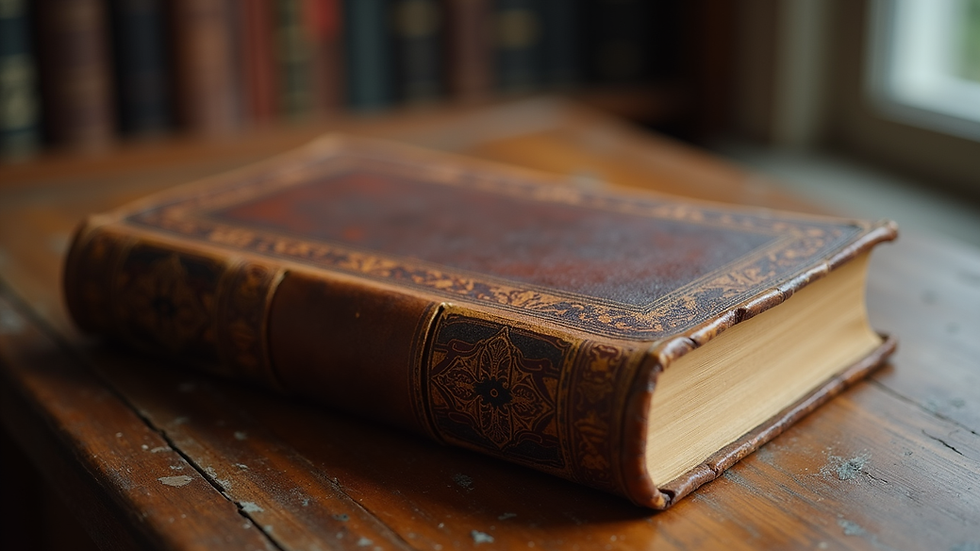
Condition is one of the most critical aspects of rare book valuation. When I first started, I learned to look beyond the cover and examine the book carefully. Here’s a simple checklist to help you assess condition:
Cover and Binding: Check for cracks, tears, or loose bindings. A tight, intact binding is a good sign.
Pages: Look for stains, foxing (brown spots), tears, or missing pages.
Dust Jacket: If the book has a dust jacket, its condition can greatly affect value. Look for rips, fading, or tape repairs.
Marks and Inscriptions: Some signatures or inscriptions add value, but random writing or highlighting usually lowers it.
Smell: A musty or moldy smell can indicate damage.
Books in “fine” or “near fine” condition are the most sought after. Even small imperfections can reduce value, so handle your books with care.
Where to Find Reliable Information on Rare Antique Books Value
If you want to dive deeper into understanding the worth of your collection, there are several resources you can turn to:
Online Marketplaces: Websites like AbeBooks, eBay, and specialized rare book dealers provide current market prices.
Auction Houses: Sotheby’s and Christie’s often auction rare books, and their catalogs can give insight into recent sales.
Price Guides: Books and online guides dedicated to rare book valuation can be invaluable.
Professional Appraisers: For a precise valuation, consider hiring a certified appraiser who specializes in rare books.
One tip I always share is to compare multiple sources before deciding on a value. The market can fluctuate, and prices vary depending on demand and trends.
For those curious about the rare antique books value, I recommend checking out this helpful resource that offers detailed insights and current market trends.
Tips for Preserving and Enhancing the Value of Your Antique Books
Once you’ve identified valuable books, the next step is to preserve them. Proper care can maintain or even increase their value over time. Here are some practical tips I’ve learned along the way:
Store Books Upright: Keep them on shelves away from direct sunlight and moisture.
Use Acid-Free Materials: When storing or wrapping, acid-free paper and boxes prevent deterioration.
Control Humidity and Temperature: Ideal conditions are around 60-70°F with 40-50% humidity.
Handle with Clean Hands: Oils and dirt can damage pages and covers.
Avoid Repairs with Tape or Glue: If repairs are needed, consult a professional conservator.
If you’re displaying your books as part of your home décor, consider using bookends and keeping them out of direct sunlight to prevent fading. I love how antique books add warmth and character to a room, making it feel like a cozy retreat filled with stories.
Embracing the Journey of Rare Book Collecting
Determining the value of rare antique books is both an art and a science. It’s about appreciating the stories behind the books, the craftsmanship, and the history they carry. Whether you’re just starting your collection or have inherited a trove of vintage volumes, understanding rare book valuation helps you make informed decisions and cherish your treasures even more.
Remember, every book has a story beyond its pages - a story of its journey through time, the hands it passed through, and the memories it holds. That’s the true magic of collecting rare antique books.
Happy collecting, and may your shelves be filled with timeless treasures!
If you want to explore more about rare antique books and find unique pieces to add to your collection, Just Keepsakes is a wonderful place to start your journey.


Comments